OEM quality 2-year warranty
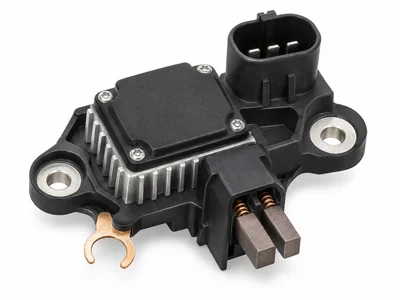
Alternator regulator 12 V for Bosch – 235781-052.000.370.211 / Cargo 235781 / Bosch F026T02200 / IKA 1.6106.1
€206.90 incl. VAT €172.42 excl. VAT
 Starter motor & alternator specialist
 Truck and van parts
 New parts with a 2-year warranty
 Website and company100% French
 Contact an expert

Your basket is empty.
Find your parts in our categories or search for a part number.
Record regulator and alternator numbers. Check rated voltage, plug keying and terminals. An identical plug shape does not establish the same control system.
A voltage regulator must first be selected based on the specific alternator and the charging system in which it operates. Two units that fit under a similarly shaped rear cover may still differ in terms of voltage, pin configuration, or control method. On older machinery, also check whether the regulator is a separate component or integrated into the brush holder assembly.
Among Bosch part numbers, one entry lists 0190350045 and F026T02200, while another cites F026T02201, 0190215004, and 0190215036. In this case, the final digit—distinguishing F026T02200 from F026T02201—is crucial for identifying the correct part. Omitting this digit during a search would make it impossible to verify the proper fitment. For CAV, the entry 1697A220 is specified as a 14V unit.
The regulator manages the alternator’s electrical output according to the vehicle's specific architecture. Some units use internal regulation, while others employ a separate regulator. Note the configuration identified by the workshop, the system voltage, and the connections described in the technical sheet.
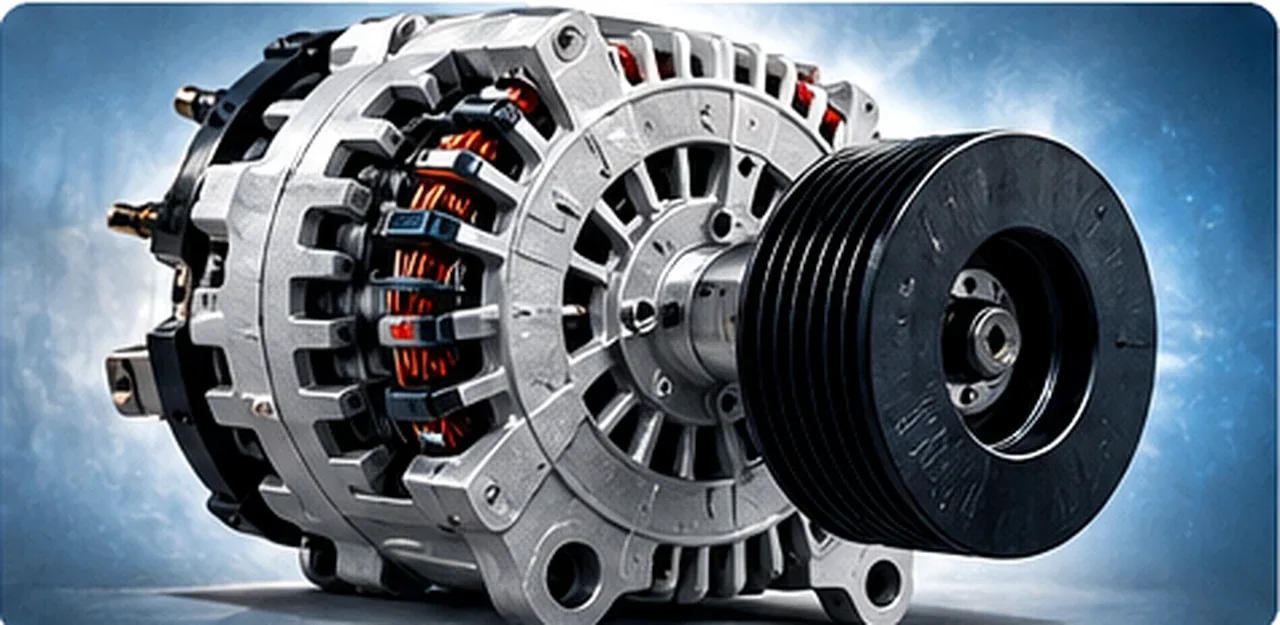
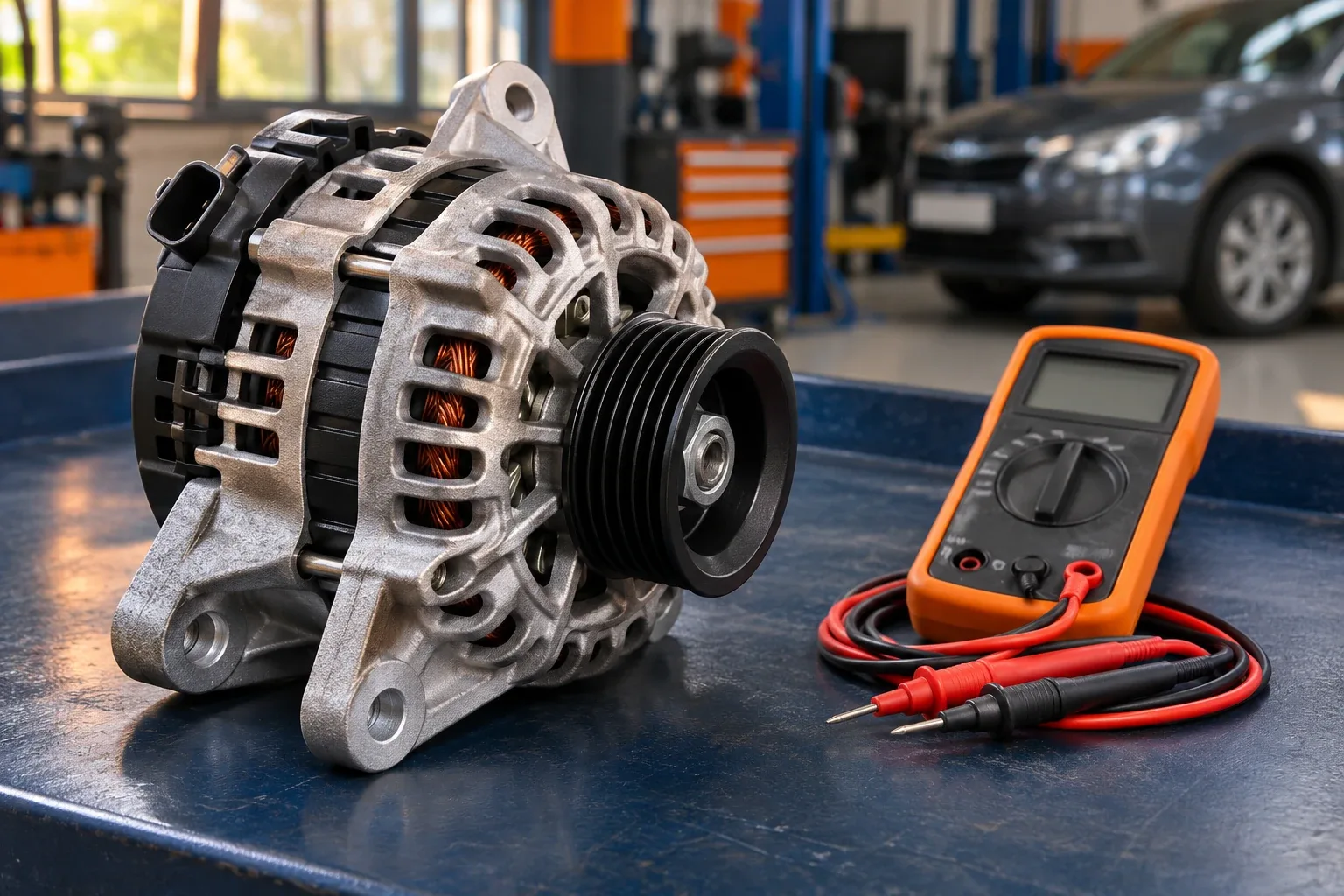
On the side opposite the pulley, the cover may conceal the regulator, the rectifier connections, and the rotor contact zone. A view of the complete machine helps to locate these elements. A close-up view of the specific sub-assembly can then be used to identify any markings present on it.
In an alternator, the brushes make contact with the rotor slip rings. They may be mounted on a brush holder that is part of the regulator assembly. To identify the correct part, check whether the listing refers to the brushes alone, their holder, or the complete regulator unit.