OEM quality 2-year warranty
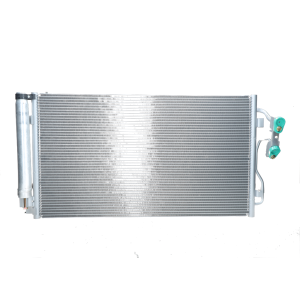
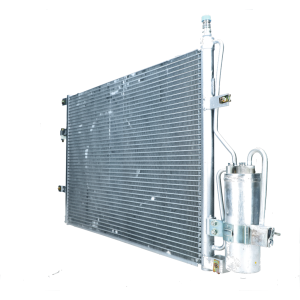
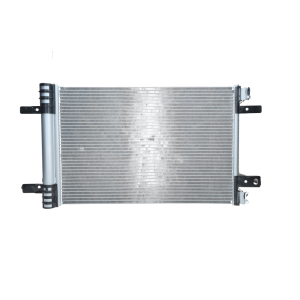
Condenseur Ford C-Max, Focus, Transit, Tourneo - DCN10046, DV6119710AB, DV6119710DA, 1828970
€66.90 TTC €55.75 HT
 Starter motor & alternator specialist
 Truck and van parts
 New parts with a 2-year warranty
 Website and company100% French
 Contact an expert

Your basket is empty.
Find your parts in our categories or search for a part number.
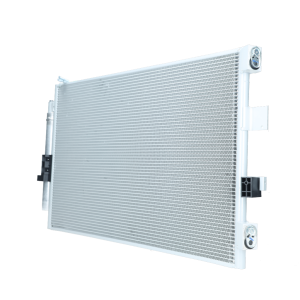
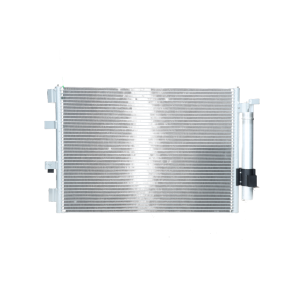
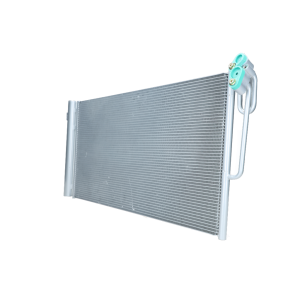
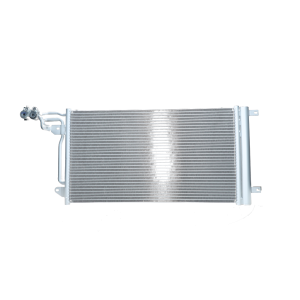
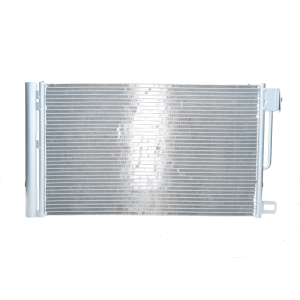
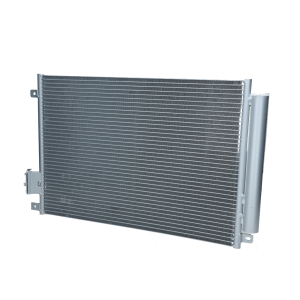
Compare core dimensions, port layout and mounting tabs.
The air conditioning condenser can be identified by the circuit to which it is connected at the front of the vehicle. For a Ford C-Max, Focus, Transit, or Tourneo, the shape of the bumper or the model range name alone is not enough to define the correct condenser. Note the generation, engine type, cross-reference numbers, and the layout of the manifolds. For commercial vehicles, also specify the body style and the specific air conditioning equipment installed.
The catalog entry covering various Ford applications lists DCN10046, DV6119710AB, DV6119710DA, and 1828970. These numbers can be used to access the correct entry for comparison. However, this does not mean that every engine variant within these model ranges uses the same heat exchanger. Always check the full part number found on the installed condenser or in the documentation specific to the vehicle.
The air conditioning condenser is often positioned next to the engine radiator and, at times, the charge air cooler (intercooler). Identify the part by its connections and its specific function within the system. A measurement taken from an adjacent heat exchanger might seem plausible, yet it could actually refer to the wrong component.
Two ports positioned close together may appear identical in a front-on view. The layout of the connection block, its contact surface, and its orientation relative to the mounting points allow for a more precise comparison of the assemblies. Indicate which side of the vehicle is visible in the photograph.
The type of refrigerant and lubricant are key specifications for an air conditioning system. Always refer to the information provided on the vehicle’s label and in the documentation for the specific part you are seeking. Electrical specifications or the physical shape of a connection alone are not sufficient to determine these details.