 Starter motor & alternator specialist
 Truck and van parts
 New parts with a 2-year warranty

 Contact an expert


On 3 November Tata Motors and Iveco Group announced the completion of their combination. For hauliers, the immediate questions concern service continuity, parts and commitments on vehicles already in use.
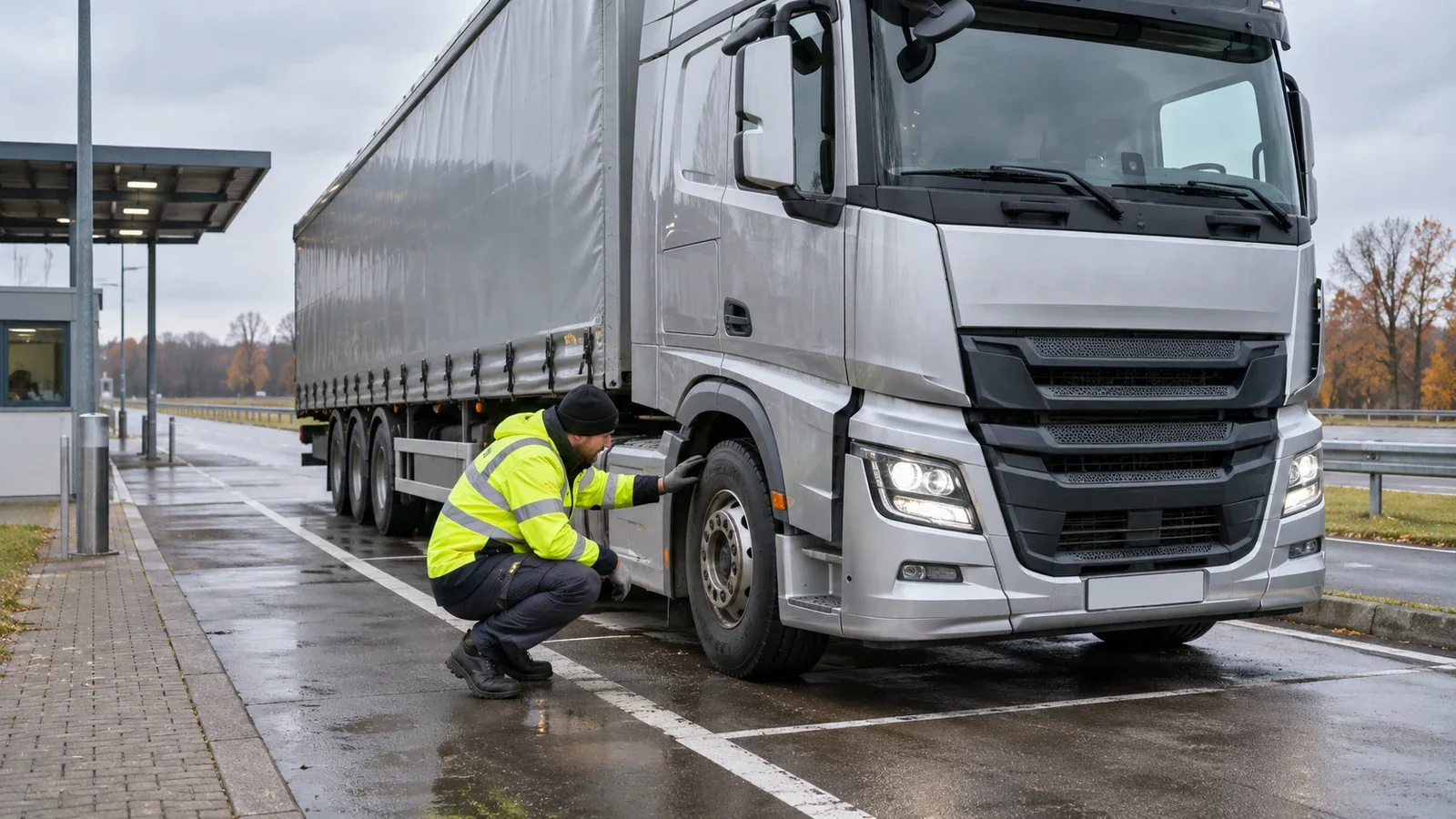
On 3 November Tata Motors and Iveco Group announced the completion of their combination and the start of a new joint stage. The deal creates a major player in commercial vehicles. For hauliers, the immediate questions mainly concern service continuity, parts and the commitments attached to vehicles already in operation.
Key points
- 3 November: new stage announced.
- Two groups: a global commercial vehicle player.
- Continuity: brands remain operational reference points.
A new organisation on an international scale
The combined group has a presence in more than 130 countries, 27 production sites and 25 research and development centres. The groups highlight the complementarity of their activities and the continued development of their brands.
These figures describe a global organisation. They do not mean that ranges immediately become identical or that parts can be swapped between vehicles of different brands. Platforms, part numbers and networks must still be considered in their own right.
For a fleet, continuity is checked in practice
A change of ownership does not remove day-to-day needs: getting an appointment, obtaining a component and understanding a warranty procedure. The business should keep its contract documents and the contact details of those responsible for each service.
It is useful to distinguish group announcements from operational changes actually communicated. An organisational change can take time and affect some markets before others. Operating decisions must be based on information that applies to the fleet, not on assumptions about a general reorganisation.
The part remains tied to the vehicle
Combining two groups does not create automatic mechanical compatibility. A part number must always be matched to the VIN, the engine and the equipment. This principle becomes even more important when catalogues and model names are numerous.
To avoid errors, a fleet manager can check the quality of the inventory: exact versions, main components, replacement history and bodywork documents. This preparation remains useful whatever the manufacturer’s industrial development.
Watch the next milestones without anticipating unannounced effects
The relevant steps will be range developments, investments, services and any changes to the network. They will show how the combination translates for users. It would be premature to conclude that prices will fall or that all operations will be simplified immediately.
For a business renewing its fleet, the choice must remain based on the duty, the total cost and the service available locally. The size of a group is context; the quality of a solution is also measured by the ability to keep a vehicle working with lead times compatible with the business. See also Iveco at Fenatran 2026, Daimler Truck rebounds in Q3 2026 and MAN results for the first nine months of 2026.
Frequently asked questions
Do Tata and Iveco parts become interchangeable?
No. A deal between groups does not automatically change vehicles’ technical specifications. Any compatibility must be established with the relevant part numbers and applications. The industrial combination does not replace this check.
Find the right part
AutoTruck42, a French company based in the Loire, supplies parts for trucks and HGVs, including starter motors and alternators with a 2-year warranty:
Send us the OEM part number or your vehicle details: we check compatibility before dispatch.
Further reading
Browse our catalogue of car and truck parts.